Building a strong and healthy body doesn’t always require a gym membership or expensive equipment. In fact, a well-designed full-body workout routine can be done right at home with little more than determination and consistency. The idea behind a “Full-Body Fitness Blast” is simple: target all major muscle groups, boost your heart rate, and create a balanced workout that fits easily into a daily schedule. Even for beginners, these exercises are approachable and can be adjusted to match any fitness level.
A full-body fitness routine is effective because it works multiple joints and muscles at once. This leads to better calorie burn, improved coordination, and greater overall strength. One of the best benefits of full-body workouts is efficiency. Instead of focusing on only one section of the body per day, you can train everything in less time. For busy people, this approach keeps fitness realistic and manageable.
Start with a warm-up. A quick 3–5 minute warm-up increases blood flow and helps prevent injury. Simple movements like arm circles, jogging in place, or light jumping jacks prepare the muscles and joints for the workout ahead. Once warmed up, the routine can begin.
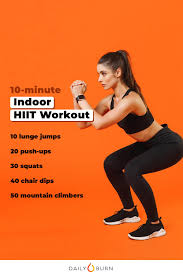
A key component of any full-body workout is the squat. Squats primarily work the legs, glutes, and core, making them a powerful movement for building lower-body strength. You can start with bodyweight squats and gradually progress to holding dumbbells or water bottles for added resistance. Aim for sets of 10–12 repetitions, focusing on proper form—knees tracking over the toes, chest upright, and heels grounded.
Next, incorporate push-ups. This classic exercise strengthens the chest, shoulders, and triceps while also engaging the core. For beginners, modified push-ups on the knees can be a great starting point. More advanced individuals can try incline or decline push-ups to increase intensity. Push-ups are versatile, effective, and require no equipment, making them a perfect addition to any full-body routine.
Another excellent movement is the plank. Planks are a powerful core-strengthening exercise that also challenges the shoulders and back. Holding a plank for 20–30 seconds can be surprisingly effective. Over time, you can increase the holding duration or try variations like side planks or plank shoulder taps to keep it interesting and challenging.
For cardiovascular benefits, add a burst of jumping jacks, high knees, or mountain climbers. These exercises elevate the heart rate, improve endurance, and help with overall calorie burn. Doing 30–40 seconds of a cardio move between strength exercises creates a circuit-style workout that keeps the heart pumping and boosts metabolism even after the workout ends.
Finish with cool-down stretches to release muscle tension and support flexibility. Stretching the hamstrings, chest, arms, and back for at least a minute each can improve recovery and reduce soreness. With consistency, this simple routine strengthens the entire body, enhances mobility, and supports a healthy lifestyle.
Move to Improve: Essential Exercises for a Stronger You
Movement is one of the most powerful tools for improving both physical and mental well-being. The phrase “Move to Improve” is more than a motivational slogan—it’s a truth backed by science and everyday experience. Regular exercise boosts mood, increases energy, enhances strength, and supports long-term health. You don’t need complicated routines to experience these benefits. A few essential exercises performed regularly can significantly improve overall fitness.
The foundation of any fitness journey is consistency. When you commit to moving your body every day—whether through walking, stretching, or formal exercise—your strength, stamina, and confidence naturally grow. The key is to choose exercises that work well with your lifestyle and fitness level. The goal isn’t perfection; it’s progress.
One essential exercise for building strength and mobility is the lunge. Lunges train the legs, hips, and glutes while also improving balance. They help correct muscle imbalances and strengthen stabilizer muscles that support everyday movements like climbing stairs or standing from a seated position. Variations such as reverse lunges or walking lunges keep the exercise fresh and challenging.
Another effective movement is the glute bridge. This exercise targets the glutes and lower back while also engaging the core. Strong glutes play an important role in posture, athletic performance, and injury prevention. Glute bridges are gentle enough for beginners but can be intensified by adding weight or trying single-leg variations.
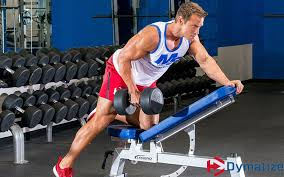
To strengthen the upper body, rows are essential. If you don’t have dumbbells, resistance bands or even filled water bottles can work. Rows strengthen the back muscles, improve posture, and balance the effects of long hours spent sitting. Strong back muscles support the spine and help prevent shoulder and neck pain.
Flexibility and mobility are equally important. Adding movements like cat-cow stretches, hip openers, or thoracic rotations helps keep the spine mobile and muscles flexible. When performed regularly, mobility exercises reduce stiffness, improve posture, and enhance overall movement quality. They also help reduce stress and promote relaxation.
Cardio exercise is another essential component of a balanced fitness program. Activities like brisk walking, jogging, cycling, or dancing improve heart health, boost energy levels, and support weight management. Even 10–15 minutes of daily cardio can produce noticeable improvements in endurance and overall well-being.
Mind-body exercises also play a vital role in becoming stronger, both physically and mentally. Practices like yoga, Pilates, or simple deep-breathing exercises help improve focus, reduce stress, and connect you more deeply with your body. This awareness leads to better movement patterns, improved form, and a reduced risk of injury.
Finally, rest and recovery should not be overlooked. Muscles grow stronger during rest, not just during exercise. Allowing the body time to recover after workouts enhances performance and keeps you feeling motivated and energized.
By committing to essential movements each day—strength training, mobility work, cardio, and mindful movement—you can build a stronger, healthier version of yourself. “Move to Improve” is a simple reminder that every step, stretch, and rep brings you closer to your fitness goals.